
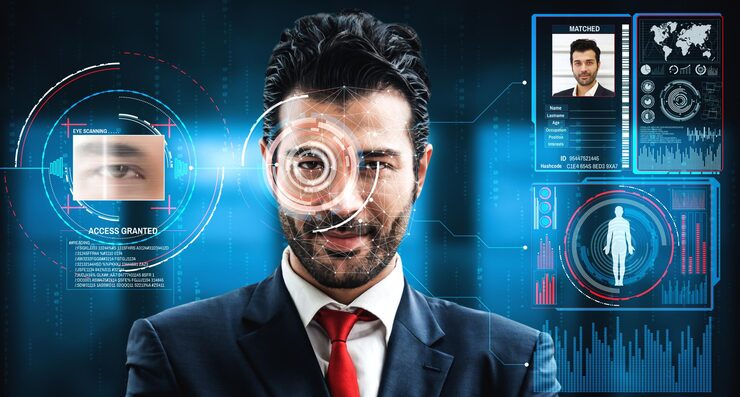

Modern corporate security requires proactive testing against synthetic media attacks. Threat groups deploy realistic fakes to deceive employees and steal data. Organizations must evaluate their defense systems before a real attack occurs. Simulated exercises help security managers find flaws in their communication pathways. Testing prepares teams for advanced identity fraud threats.
Security professionals must analyze how staff members respond to fake data. Bad actors exploit human emotion during urgent video or voice calls. Specialized tools help teams detect altered files and train workers. This active defense work preserves company cash and maintains operational security. Organizations build strong habits by practicing threat responses.
Improving Defense Metrics With Deepfake Protection
Corporate defense groups use specialized metrics to track system safety. They measure how fast employees report suspicious files to security. Traditional firewalls cannot identify altered video or audio streams on their own. Implementing Deepfake Protection provides the analysis tools needed to spot fraud. This software boosts your network defense metrics.
Detection platforms scan media file data to uncover hidden flaws. They track inconsistencies in video frames and voice clone markers. This information gives security teams clear proof of media modification. Companies use these metrics to update their internal defense plans. Solid tracking keeps corporate assets safe from digital deception.
Vetting a Remote Deepfake Job Applicant
Remote recruitment processes introduce security vulnerabilities to technology companies. Fraudul ent candidates use synthetic faces to clear online interviews. They aim to get internal jobs to steal trade secrets. Vetting teams must use software to check candidate video feeds. Blocking a Deepfake Job Applicant protects your internal network.
Interviewers must watch for physical anomalies during live screening calls. Look for unnatural eye movements or strange skin color tones. Check if the candidate mouth matches the spoken words. These checks reveal if the applicant uses face alteration software. Safe hiring practices preserve corporate data security and workspace integrity.
Red Team Simulations and Deepfake Protection
Red teams conduct realistic attack simulations to test corporate defenses. They create fake executive voice clips to target the finance group. This exercise tests if employees follow verification protocols during emergencies. Managers use the results to improve security awareness training programs. Simulations prepare staff members for actual social engineering scams.
Simulated attacks show where corporate communication links break down. If an employee trusts a fake video, the company fixes the process. Red team drills build a culture of caution across all business units. Regular testing ensures defense teams stay ready for new threat methods. Simulations transform passive workers into active network defenders.
Social Engineering Drills for Deepfake Protection
Drills focus on phishing attempts that use synthetic media attachments. Attackers use these files to build trust with corporate workers. Security teams run drills to teach employees to inspect file sources. Workers learn to submit suspicious items to analysis platforms for checking. Training reduces the success rate of advanced social engineering tricks.
Staff members learn to verify unusual instructions using separate phone lines. They avoid taking action based on a video call. Drills reinforce safety rules across the entire corporate network. Aware employees catch identity fraud attempts before financial damage occurs. Secure habits protect company assets from deceptive threat campaigns.
Training Defenses Against a Deepfake Job Applicant
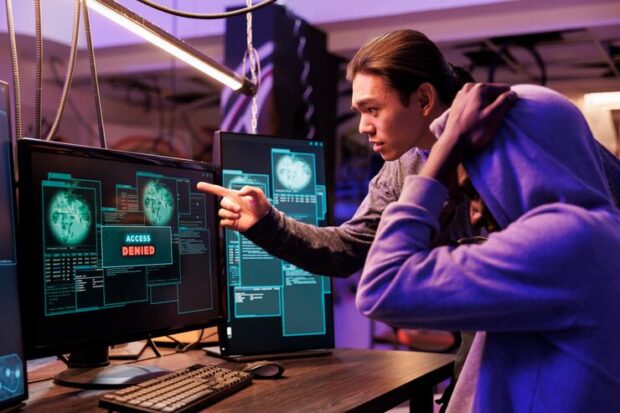
Training human resource teams helps protect corporate database networks. Recruiters learn to verify identity papers using public record systems. They coordinate with security teams to check video call tools. This work stops malicious actors from gaining administrative access rights. Training shields the company from inside threat actors and data theft.
Fake workers can cause massive damage once inside your system. They download private customer details or alter software source code. Training hiring managers to spot fake profiles reduces this risk. Organizations keep their workforce safe by checking every applicant face. Secure recruitment practices protect company reputation and client trust.
Blue Team Detection and Deepfake Protection
Blue teams defend company networks by monitoring active threat vectors. They use specialized software to scan file uploads for fake marks. Defensive groups check video conference tools for media anomalies in real time. This work stops identity fraud attacks before they penetrate firewalls. Monitors track data patterns to maintain strict network security.
Defenders implement zero trust rules for all corporate communications. They require multiple approvals for large financial transactions or system changes. Blue teams analyze file metadata to trace the origin of items. This check stops social engineering scams from impacting operations. Strong defense layers keep corporate data safe from external actors.
Generating Reports for Deepfake Protection
Detection software generates detailed intelligence reports about analyzed media. These documents list specific errors found in video frames or audio tracks. Security professionals use these facts to confirm file manipulation attempts. Clear data guides managers when they update firewall safety rules. Reports remove guesswork from corporate security planning processes.
Intelligence reports display clear scores for file authenticity metrics. Teams view these results on a central network security platform. This data allows executives to track threat patterns over time. Sharing reports across departments improves general security awareness. Information driven defense keeps your corporate assets safe from trickery.
SaaS Deployment for Deepfake Protection
Companies use SaaS solutions to deploy media analysis systems. Employees upload suspicious files through a simple web dashboard. The cloud platform checks the data and sends answers. This setup avoids the need for expensive internal hardware upgrades. Easy deployment keeps security workflows quick and responsive for all teams.
Cloud platforms scale to meet the security needs of global businesses. They update detection engines to counter new threat tools. Security groups access threat intelligence from any corporate location. This flexible setup supports continuous monitoring across all communication networks. SaaS tools give defenders the assets needed to fight fraud.
Conclusion
Synthetic media threats require modern solutions from corporate security leaders. Bad actors use fake profiles and voices to bypass old firewalls. Organizations must use specialized platforms to evaluate all incoming files. Training staff and running drills lowers the risk of fraud. Secure processes maintain digital trust across your business network.
Protecting your network requires constant vigilance and clear threat facts. Teams must verify candidate identities during online interview sessions. Checking media files shields financial assets and corporate trade secrets. Implement advanced defense tools to keep your business safe today. Act now to upgrade your identity security plans.
Questions and Answers
Q: What is a red team simulation?
A: A red team simulation is a controlled test of company security. Experts mimic real attackers to find weak spots in systems or training. This helps companies improve their defenses before actual network breaches occur.
Q: Why do blue teams check file metadata?
A: Metadata reveals details about file origins and creation tools. Blue teams scan this data to spot signs of tampering or unauthorized edits. Checking metadata helps confirm if a video or image file is genuine.
Q: How do cloud detection platforms stay updated?
A: Cloud platforms receive updates from central threat research centers. They learn to spot new types of face swaps and voice clones. This ensures companies always have protection against new malicious software models.